.png)
Palm Species & Disease Risk on the Treasure Coast
Different palm species have very different risk levels when it comes to diseases and phytoplasma infections. Knowing which palms are more vulnerable helps homeowners understand why proactive care matters.

High-Risk Palm Species
These palms are more susceptible to serious, often fatal diseases and benefit the most from preventative treatment programs.
Palm Species | Primary Disease Risks | Notes |
Coconut Palm | Lethal Bronzing | Extremely susceptible; early prevention is critical |
Christmas Palm | Lethal Bronzing | One of the most commonly affected palms locally |
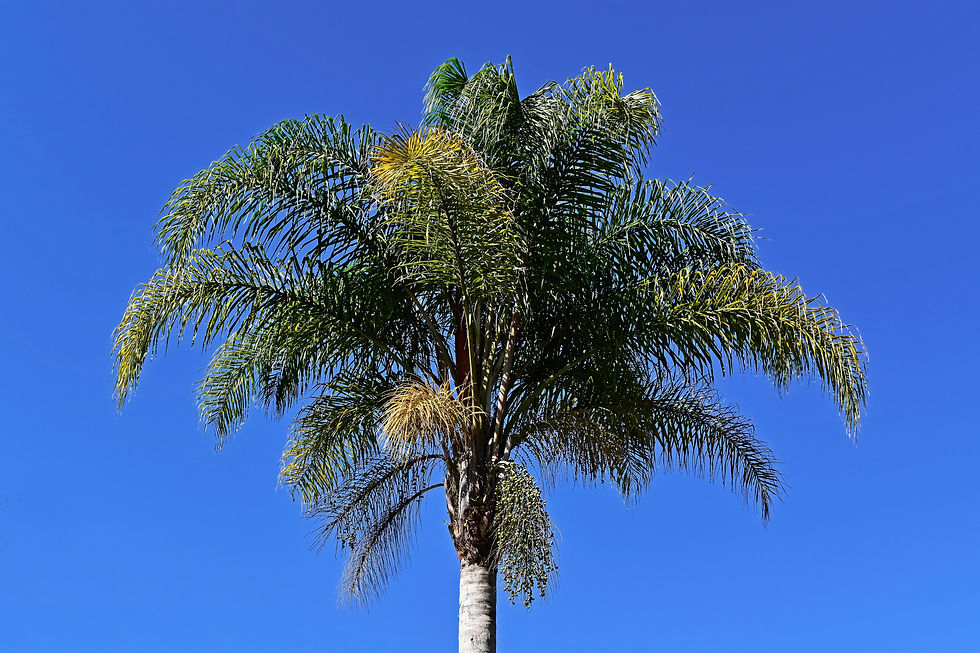
Queen Palm | Fusarium Wilt, Lethal Bronzing | Pruning practices play a major role |
Canary Island Date Palm | Fusarium Wilt, Ganoderma | Large, valuable palms—loss can be costly |
Date Palms (Phoenix species) | Lethal Bronzing, TPPD | High decline rate once symptoms appear |

Moderate-Risk Palm Species
These palms can still develop disease, especially under stress or improper care.
Palm Species | Common Issues | Notes |
Foxtail Palm | Leaf spot diseases, trunk rot | Sensitive to over-watering |
Adonidia (Manila Palm) | Leaf spots, nutrient stress | Disease often follows stress |
Areca Palm | Leaf spots, root issues | Clustering palms can spread disease |
Bismarck Palm | Ganoderma | Slow symptoms, sudden failure |

Lower-Risk (But Not Disease-Proof) Palms
These palms are generally more resilient but can still be affected under poor conditions.
Palm Species | Possible Concerns | Notes |
Sabal (Cabbage Palm) | Ganoderma | Native palm; more tolerant |
Pindo Palm | Leaf spot diseases | Usually cosmetic damage |
Chinese Fan Palm | Minor fungal issues | Stress increases susceptibility |


Comments